Exercise Physiology
Movement-based support for chronic conditions, mobility, and recovery
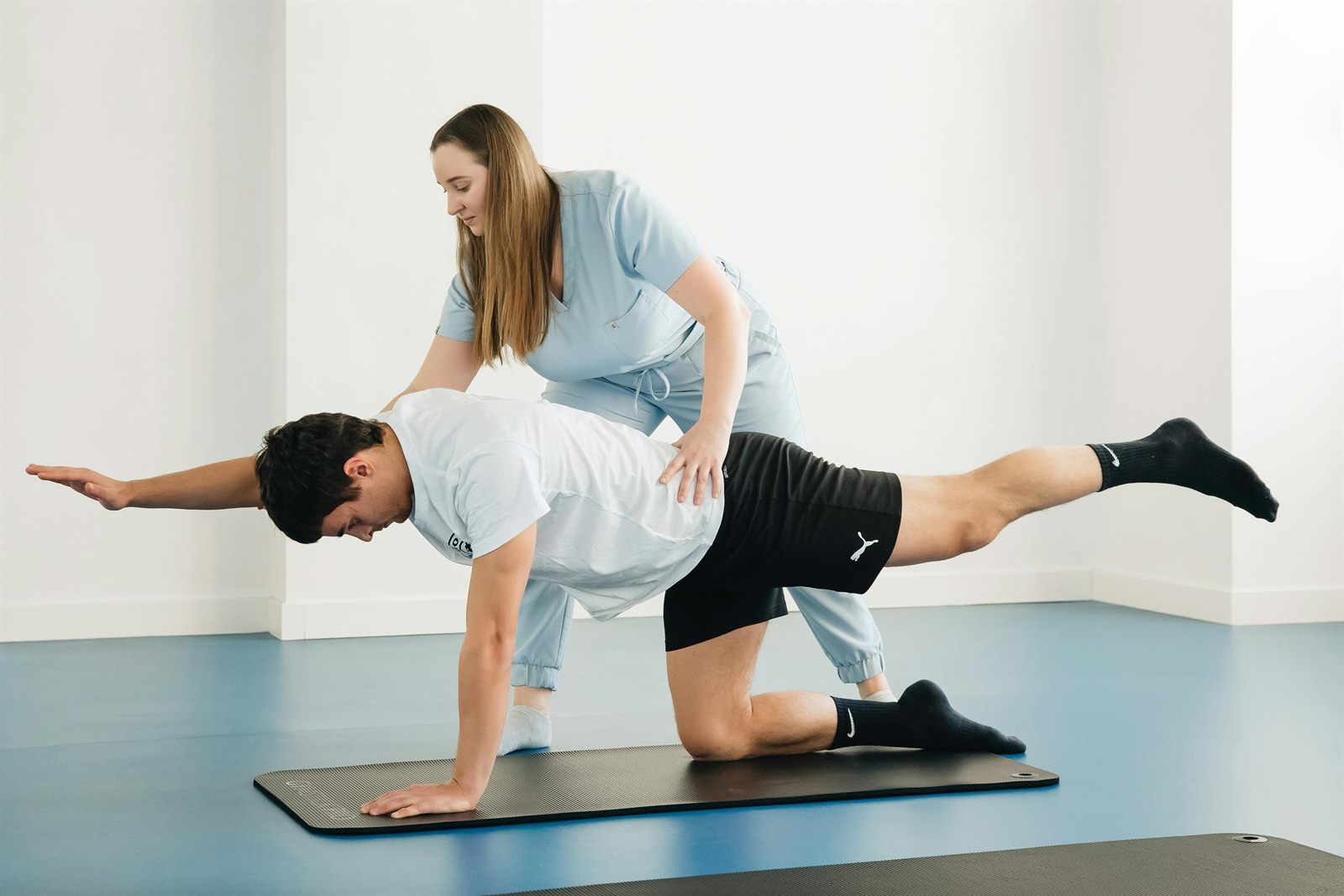
Exercise physiology within the Seaford East care model is about practical, clinically informed movement planning that supports recovery, chronic disease care, and safe progression over time.
Who may benefit
Patients with chronic disease, metabolic conditions, reduced mobility, deconditioning, fatigue, or recovery needs may benefit from a more structured exercise pathway.
How the pathway works
The process usually starts with assessment, baseline function review, goal setting, and a plan that can work alongside GP care rather than separately from it.
Review matters
Programs work best when progress is reviewed, barriers are adjusted for, and changes are integrated into the wider health plan.
Common goals patients bring
- Improve strength, endurance, and mobility
- Support chronic disease management through movement
- Recover after illness, inactivity, or hospital care
- Reduce falls risk and improve day-to-day function
Related care pathways
Exercise physiology often overlaps with chronic disease management, weight support, and broader health and wellness planning.
Health and WellnessBefore you attend
- Bring recent results, letters, and medication details if they affect exercise planning
- Think about the main movement or function goal you want to improve
- Let reception know if the review is linked to a care plan or broader chronic disease pathway
- Expect progress to be reviewed over time rather than solved in one session